10 Powerful Strategies to Use Political Analysis for Weather and Natural Disaster Preparedness
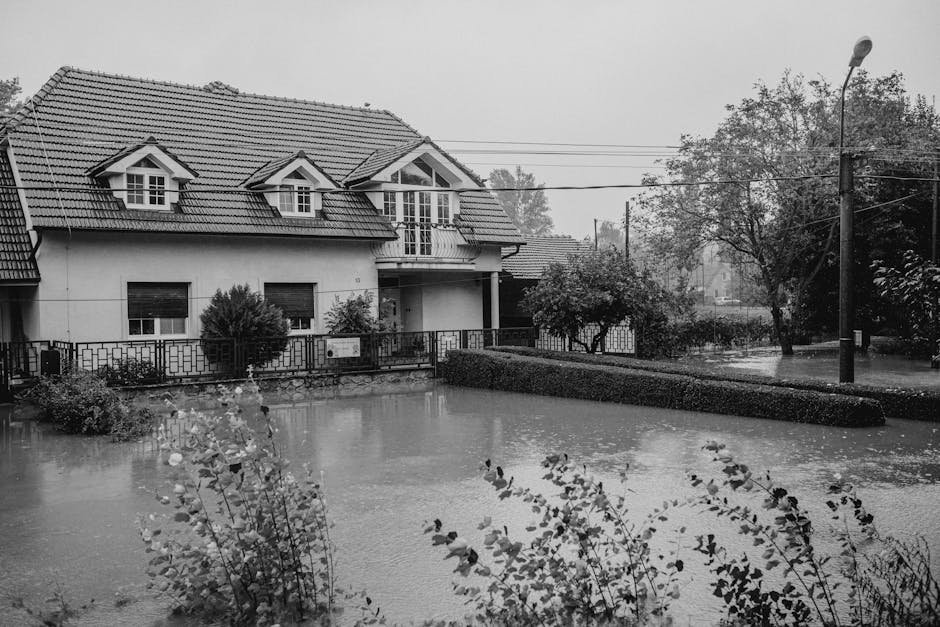
In recent years, weather patterns and natural disasters have become increasingly unpredictable due to climate change and other geopolitical factors. Consequently, the need for effective disaster preparedness has never been more pressing. Political analysis offers a unique lens through which to evaluate both the risks posed by natural disasters and the responses of governments and organizations tasked with managing them. By understanding the political landscape, communities can better prepare for impending disasters, ensuring that resources are allocated wisely and that response strategies are tailored to the specific needs of the population. This article outlines ten powerful strategies that leverage political analysis to enhance weather and disaster preparedness efforts. From understanding local governance structures to analyzing international aid dynamics, these strategies empower communities to not only respond to crises but also to mitigate their impacts effectively.
1. Assessing the Political Landscape
Understanding the political landscape is crucial for effective disaster preparedness. This involves analyzing the power dynamics within a community, including the roles of local government, non-profit organizations, and community leaders. Political analysts can help identify key stakeholders who are responsible for disaster response, allowing for more streamlined communication and collaboration during crises. For instance, in regions where local governments have limited resources, non-profits may play a pivotal role in mobilizing assistance. By mapping out these relationships, communities can ensure that strategies are not only comprehensive but also inclusive, addressing the needs of marginalized groups who might otherwise be overlooked during disaster response efforts.
2. Engaging with Local Governance
Local governance structures are vital in disaster preparedness and response. Political analysis can provide insights into how local governments allocate resources and make decisions in times of crisis. Engaging with these governance structures involves building partnerships with local officials to create tailored disaster response plans. For example, cities like New Orleans have implemented community-based disaster preparedness programs that involve local government in planning and executing emergency response strategies. By fostering collaboration between citizens and their local governments, communities can ensure that their unique needs are met, and that there is a clear chain of command during emergencies.
3. Utilizing Data-Driven Decision Making
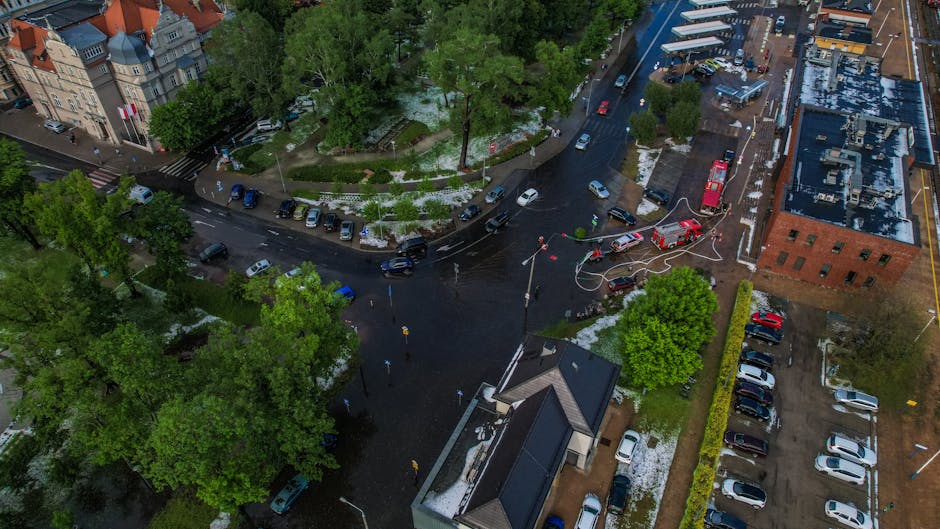
Data-driven decision-making plays a crucial role in political analysis for disaster preparedness. By collecting and analyzing data on weather patterns, population density, and resource distribution, communities can identify at-risk areas and prioritize them for preparedness initiatives. For example, the Federal Emergency Management Agency (FEMA) uses geographic information systems (GIS) to map flood zones and assess vulnerabilities. This data not only helps in resource allocation but also in crafting policies that mitigate risks. By leveraging political analysis to drive data initiatives, communities can enhance their preparedness strategies, ensuring that they are based on solid evidence rather than assumptions.
4. Building Community Resilience
Community resilience is a key focus of political analysis in disaster preparedness. Understanding the social fabric of a community can help identify strengths and weaknesses in its capacity to respond to natural disasters. Political analysts can work with local organizations to conduct resilience assessments, which evaluate factors such as social cohesion, economic stability, and access to resources. For example, in areas prone to hurricanes, community networks that promote resource sharing and support can significantly enhance recovery efforts. By fostering resilience through political analysis, communities can create stronger safety nets that not only facilitate recovery but also reduce vulnerability to future disasters.
5. Advocacy for Policy Change
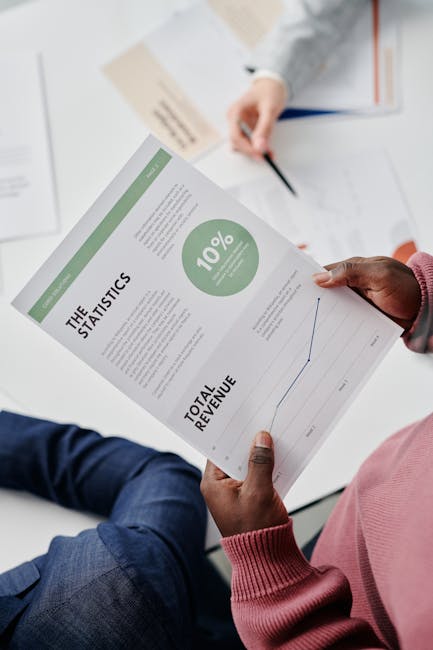
Political analysis can empower communities to advocate for policy changes that enhance disaster preparedness. This involves identifying gaps in existing policies and working with stakeholders to propose new regulations or amendments. For instance, after the devastating wildfires in California, advocacy groups used political analysis to highlight the need for stricter building codes in fire-prone areas. By mobilizing public support and engaging with policymakers, these organizations were able to influence legislative changes that improved building safety standards. Engaging in advocacy not only raises awareness but also fosters a culture of preparedness at the policy level, ensuring that disaster readiness is prioritized in government agendas.
6. Leveraging Technology for Communication
Technology plays an essential role in enhancing communication during disasters. Political analysis can help communities understand how to effectively utilize technology to disseminate information and coordinate responses. For instance, many local governments have adopted mobile apps to provide real-time updates on weather conditions and emergency alerts. Additionally, social media platforms can be leveraged to engage the public and gather feedback on preparedness efforts. During Hurricane Harvey in Texas, local officials used Twitter to share critical information, which significantly improved public awareness and response. By incorporating technology into disaster preparedness strategies, communities can ensure that vital information reaches those who need it most.
7. Collaborating with Global Organizations
Incorporating a global perspective into local disaster preparedness can greatly enhance resilience. Political analysis allows communities to understand the role of international organizations and aid agencies in disaster response. By collaborating with entities such as the United Nations or the Red Cross, communities can gain access to resources, training, and expertise that may not be available locally. For example, after the 2010 earthquake in Haiti, international organizations provided critical support for rebuilding efforts, leveraging political analysis to coordinate actions among various stakeholders. Such collaborations can ensure that local communities are better equipped to handle disasters, as they benefit from a wealth of knowledge and resources from global partners.
Conclusion
In conclusion, leveraging political analysis for weather and natural disaster preparedness is a multifaceted approach that can significantly enhance community resilience. By assessing the political landscape, engaging with local governance, utilizing data-driven decision-making, building community resilience, advocating for policy change, leveraging technology, and collaborating with global organizations, communities can create comprehensive disaster preparedness strategies. These strategies not only address immediate needs but also lay the groundwork for long-term resilience against future disasters. As climate change continues to reshape our world, it is imperative that communities adopt these powerful strategies to safeguard their populations and resources effectively.