Unlocking Insights: Your Ultimate Guide to Oil Price Trends During Weather Events and Natural Disasters

Oil prices are influenced by a multitude of factors, including geopolitical tensions, market demand, and seasonal patterns. However, one of the most significant yet often overlooked influences on oil prices is the impact of weather events and natural disasters. From hurricanes to floods, these events can disrupt oil production, refining, and transportation, leading to significant fluctuations in oil prices. Understanding these trends is crucial for investors, consumers, and businesses that rely on oil. This guide will delve into how different weather events and natural disasters affect oil prices, providing insights into historical trends, economic implications, and future forecasts. By exploring specific case studies and analyzing the underlying mechanisms driving price changes, readers will gain a comprehensive understanding of this complex relationship. Whether you are an energy analyst, investor, or just someone interested in how global events shape oil markets, this guide aims to equip you with the knowledge necessary to navigate these turbulent waters.
Understanding the Basics of Oil Pricing
To appreciate how weather events impact oil prices, it is essential to first understand the fundamentals of oil pricing. Oil is traded globally, and its price is determined by supply and demand dynamics. Factors such as geopolitical stability, production levels from major oil-producing countries, and global economic conditions play significant roles. Furthermore, the Organization of the Petroleum Exporting Countries (OPEC) can influence oil prices by controlling production levels to stabilize or manipulate market prices. When supply is disrupted, whether through natural disasters or political unrest, prices tend to rise as buyers compete for limited resources. Conversely, during periods of oversupply, prices can fall. This basic framework sets the stage for understanding how external factors, particularly weather events and natural disasters, can significantly alter the delicate balance of oil pricing.
The Impact of Hurricanes on Oil Prices
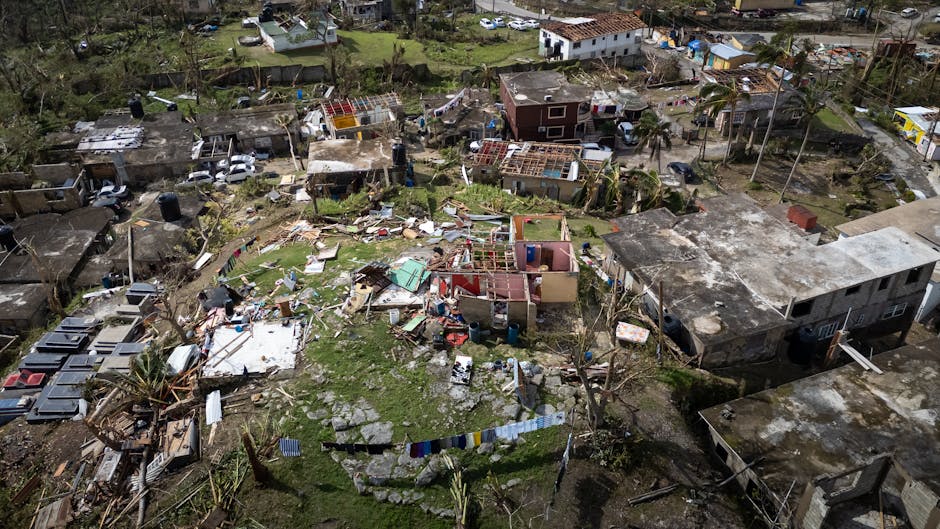
Hurricanes are among the most disruptive natural disasters that affect oil prices. The Gulf Coast of the United States is a major hub for oil production and refining, and hurricanes can cause significant damage to infrastructure. For instance, Hurricane Katrina in 2005 led to a dramatic spike in oil prices as production facilities were shut down, and refineries faced extensive damage. In the aftermath, oil prices surged to over $70 per barrel due to fears of prolonged supply shortages. Similarly, Hurricane Harvey in 2017 caused widespread flooding and refinery closures, which again sent oil prices soaring. Historically, markets often react swiftly to such threats, with prices climbing in anticipation of supply disruptions. Understanding the patterns associated with hurricanes can help investors and businesses prepare for potential price volatility in the oil market.

Flooding and Its Effects on Oil Infrastructure
Flooding presents another significant threat to oil pricing, often with long-lasting repercussions. When extensive flooding occurs, it can inundate oil extraction sites, pipelines, and refineries, leading to immediate supply shortages. For example, the severe floods in Louisiana during the summer of 2016 disrupted oil production and transportation, contributing to a spike in prices. The U.S. Energy Information Administration (EIA) reported that disruptions in production from flooded oil fields led to an approximate 2 million barrels per day loss in output, causing prices to increase. Moreover, prolonged flooding can lead to higher operational costs for companies as they invest in damage repairs and preventive measures. The cascading effects of flooding on oil infrastructure illustrate how critical weather patterns can directly influence market prices, emphasizing the need for preparedness and adaptive strategies in the industry.
Winter Weather and Energy Demand
Winter weather can also significantly impact oil prices, primarily through increased energy demand. As temperatures drop, the demand for heating oil, natural gas, and other energy sources rises, leading to a surge in oil consumption. In harsh winters, such as those experienced in the northeastern United States, energy demand can spike, causing a ripple effect across oil markets. For example, the winter of 2014 saw a brutal polar vortex that drove heating oil prices up by nearly 25% as consumers rushed to secure fuel supplies. Additionally, energy companies may struggle to keep up with demand if harsh weather disrupts logistics and distribution networks. This interplay between winter weather and energy consumption illustrates how seasonal fluctuations can lead to significant variances in oil pricing, often catching investors off guard.
The Role of Geopolitical Events in Natural Disasters
Geopolitical events, often intertwined with natural disasters, can exacerbate the impact on oil prices. For instance, when a natural disaster strikes a politically unstable region, the consequences can be dire. The Arab Spring in 2011, combined with natural events like droughts and floods, led to significant disruptions in oil production in the Middle East and North Africa, causing oil prices to spike. Such events can create a ripple effect in global markets, as fears of supply shortages drive prices higher. Furthermore, countries heavily dependent on oil exports may experience economic turmoil, leading to increased volatility in oil prices. Understanding the interconnectedness of geopolitical factors and natural disasters is vital for predicting how such occurrences will influence oil markets in the future, ultimately guiding investment strategies.
Technological Advancements and Their Impact on Resilience
Technological advancements have played a crucial role in enhancing the resilience of oil infrastructure against weather events and natural disasters. Innovations such as improved forecasting models, advanced materials for pipelines, and real-time monitoring systems allow companies to better prepare for and mitigate the impacts of adverse weather conditions. For instance, the deployment of predictive analytics can help oil companies anticipate demand spikes during severe weather, allowing them to adjust production and distribution accordingly. Moreover, advancements in drilling technologies have enabled more efficient extraction processes, reducing the reliance on vulnerable coastal regions. As technology continues to evolve, it can potentially buffer the oil market against the shocks of natural disasters, leading to more stable pricing over time. Understanding these technological dynamics is essential for stakeholders looking to navigate the complex relationship between weather events and oil prices.
Looking Ahead: Future Predictions and Strategies
As climate change continues to influence weather patterns globally, understanding the future of oil pricing in the face of extreme weather events becomes increasingly critical. Experts predict that the frequency and severity of such events will rise, leading to more pronounced fluctuations in oil prices. Companies and investors must develop adaptive strategies to navigate this uncertainty. This includes diversifying energy portfolios, investing in renewable energy sources, and enhancing supply chain resilience. Additionally, monitoring long-term climate trends and preparing for potential disruptions can provide a competitive edge in the volatile oil market. By staying informed and proactive, stakeholders can better position themselves to handle the multifaceted impacts of weather events and natural disasters on oil prices in the years to come.
Conclusion
In conclusion, the relationship between oil prices and weather events or natural disasters is complex and multifaceted. From hurricanes and flooding to winter weather and geopolitical factors, various elements contribute to the fluctuating nature of oil pricing. Understanding these dynamics is essential for investors, businesses, and consumers alike. By examining historical trends and embracing technological advancements, stakeholders can better prepare for the challenges posed by extreme weather in the oil market. As we move forward, the importance of adaptive strategies and proactive measures cannot be overstated. The future of oil pricing in the face of climate change and increased natural disasters demands our attention, caution, and strategic foresight.