Essential Checklist for Staying Updated on Economic Trends, Business News, and Retirement Insights
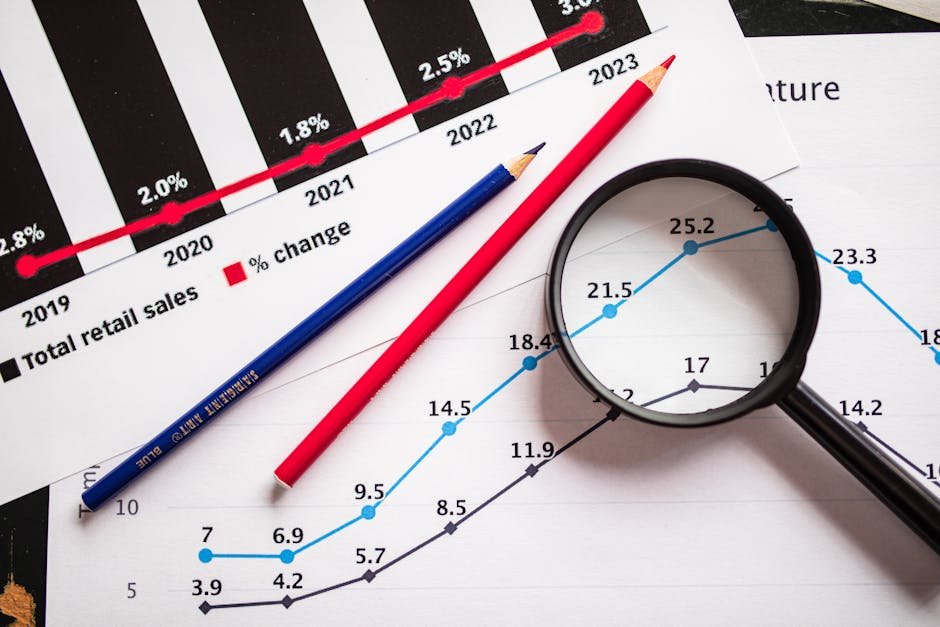
In today’s fast-paced world, staying informed about economic trends, business news, and retirement insights is more crucial than ever. With the global economy constantly evolving, understanding these areas can significantly impact personal finances, investment strategies, and long-term planning. Whether you are a business owner, investor, or simply someone who wants to secure a stable retirement, having access to current and accurate information is essential. Economic indicators can influence market performance, while business news can affect employment rates and industry growth. Furthermore, as retirement approaches, understanding the nuances of retirement planning and savings options can ensure a comfortable future. This article provides an essential checklist to help you stay updated on these vital topics, ensuring you make informed decisions that align with your financial goals.
1. Subscribe to Reputable Financial News Outlets
One of the most effective ways to stay informed about economic and business news is by subscribing to reputable financial news outlets. Platforms like Bloomberg, The Wall Street Journal, and Financial Times offer comprehensive coverage of market trends, economic indicators, and corporate news. These publications often provide in-depth analysis and expert opinions that can help you understand the implications of current events on your investments and financial strategies. Additionally, many of these outlets offer newsletters that can deliver curated content directly to your inbox. By dedicating time each day to read these updates, you can gain valuable insights into market movements, emerging industries, and global economic shifts, ensuring you are always in the loop.
2. Follow Economic Indicators
Understanding economic indicators is essential for monitoring the health of the economy. Key indicators such as GDP growth, unemployment rates, inflation, and consumer confidence can provide insight into economic conditions. For instance, a rising GDP signifies economic growth, while a high unemployment rate might indicate economic trouble. Monitoring these indicators allows you to gauge market trends and make informed decisions about investments or business strategies. To stay updated, consider using resources provided by government agencies such as the Bureau of Economic Analysis (BEA) and the Bureau of Labor Statistics (BLS), which regularly publish reports on these metrics. Additionally, financial news outlets often analyze these indicators, providing context and projections that can influence your financial planning.

3. Utilize Financial Podcasts and Webinars
Podcasts and webinars have gained popularity as effective mediums for disseminating financial information. Many experts share their insights and analyses through these platforms, making it easier to stay informed while multitasking. For example, podcasts like “Planet Money” and “The Indicator from Planet Money” provide engaging discussions on economic trends and business news. Similarly, webinars hosted by financial institutions or industry experts can offer valuable information on specific topics such as investments, retirement planning, and market forecasts. By incorporating these audio and visual resources into your routine, you can absorb knowledge on the go, enhancing your understanding of complex financial topics without sacrificing your time.
4. Join Online Financial Communities
Online financial communities, such as forums and social media groups, can be invaluable for staying updated on economic trends and business news. Platforms like Reddit, LinkedIn, and Facebook host groups where like-minded individuals share insights, articles, and discussions related to finance, investing, and retirement. Engaging in these communities not only allows you to absorb diverse perspectives but also provides opportunities to pose questions and seek advice from experienced investors and financial professionals. Furthermore, many members share real-time updates on economic events, helping you stay ahead of the curve. By participating actively in these discussions, you can enhance your knowledge while networking with others who share similar financial interests.

5. Attend Financial Conferences and Workshops
Participating in financial conferences and workshops is another excellent way to stay updated on economic trends and retirement insights. These events often feature industry leaders who share their expertise and discuss current challenges and opportunities in the financial landscape. For instance, the CFA Institute Annual Conference or the Financial Planning Association’s conferences provide attendees with access to cutting-edge research and networking opportunities. Additionally, workshops focused on retirement planning can help you understand the latest strategies for maximizing your retirement savings and navigating complex retirement options. By attending these events, you can gain firsthand knowledge from experts and connect with peers who are also focused on financial growth and stability.
6. Leverage Financial Tools and Apps
In the digital age, numerous financial tools and apps can aid in staying updated on economic trends and personal finances. Applications like Mint and Personal Capital allow users to track their spending, investments, and net worth in real-time, providing insights into their financial health. Moreover, news aggregation apps such as Flipboard and Feedly enable users to curate customized content feeds based on their interests, ensuring they receive the latest updates on economic and business news. For investors, tools like Yahoo Finance or Bloomberg Markets offer market tracking, news alerts, and analytical tools to assess stock performance. By leveraging these technologies, you can simplify the process of keeping up with essential financial information while managing your finances effectively.
7. Regularly Review Your Retirement Plan
Staying updated on economic trends is closely tied to effectively managing your retirement plan. Regularly reviewing and adjusting your retirement strategy ensures that it aligns with your financial goals and responds to changing market conditions. This includes assessing your savings rate, investment allocations, and risk tolerance. For instance, if market trends indicate a potential recession, you may want to reconsider your asset allocation to protect your investments. Additionally, staying informed about changes in retirement accounts, such as 401(k) contribution limits or Social Security benefits, is crucial for maximizing your retirement savings. By scheduling periodic reviews of your retirement plan, you can adapt to economic shifts and ensure a secure financial future.
Conclusion
Staying updated on economic trends, business news, and retirement insights is essential for making informed financial decisions. By following the essential checklist outlined above—subscribing to reputable news outlets, monitoring economic indicators, utilizing podcasts and webinars, joining online communities, attending conferences, leveraging financial tools, and regularly reviewing your retirement plan—you can enhance your financial literacy and adapt to a dynamic economic landscape. Remember, the more informed you are, the better equipped you will be to navigate the complexities of the financial world and secure your financial future. Prioritize your financial education today for a more prosperous tomorrow.