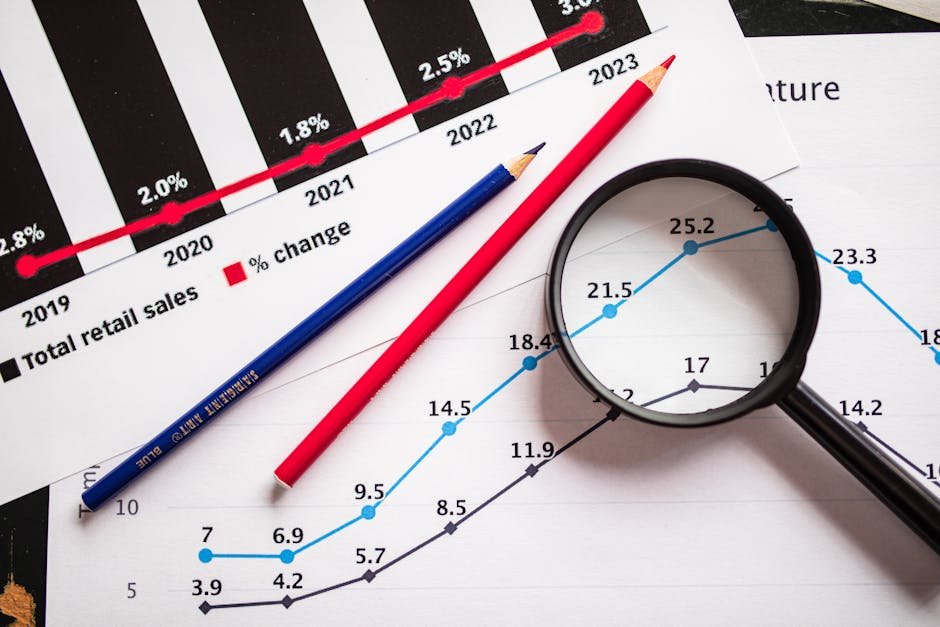
In an ever-evolving world, keeping abreast of immigration and social policy news is crucial for understanding the broader implications of governmental decisions on society and the economy. The landscape of immigration policy impacts millions of lives, shaping who can enter, reside, and work in various countries. Additionally, social policies influence the welfare systems, health care access, and education, affecting the quality of life for citizens and residents alike. As technology continues to advance, it plays a pivotal role in shaping these policies, from facilitating communication to enhancing border security. This guide aims to provide you with a comprehensive checklist to navigate through the latest updates in immigration and social policy news while integrating the latest technological advancements. By staying informed, you can better engage with the discussions that matter, advocate for change, and make educated decisions both personally and professionally. Let’s embark on this journey to explore vital aspects of immigration and social policy news while highlighting the significant role of technology.
Understanding Immigration Policies: A Global Perspective
Immigration policies vary significantly across countries, reflecting diverse national priorities, cultural attitudes, and economic conditions. For instance, the United States has a complex immigration system that includes pathways for family reunification, employment-based visas, and asylum seekers. Recently, the Biden administration has made efforts to reverse some of the restrictive policies of previous years, such as reinstating the Deferred Action for Childhood Arrivals (DACA) program, which protects young undocumented immigrants. In contrast, countries like Australia have implemented a points-based immigration system, emphasizing skills and economic contributions over family ties. Understanding these differences is vital for grasping how immigration policies impact both the economy and social fabric of nations. Moreover, global events such as conflicts, climate change, and pandemics continue to influence immigration trends, necessitating an adaptable and responsive approach to policy-making.
The Role of Technology in Immigration Enforcement
Technology has significantly transformed immigration enforcement, enhancing both efficiency and security. Tools such as biometric identification systems, data analytics, and surveillance technologies have been integrated into border control processes. For example, the use of facial recognition technology at airports aims to streamline passenger verification and reduce fraud. Additionally, artificial intelligence is being deployed to analyze trends in immigration applications, helping authorities prioritize cases that require urgent attention. However, these advancements raise critical ethical questions regarding privacy rights and the potential for discrimination. There are concerns that such technologies may disproportionately target specific communities, leading to increased scrutiny and harassment. Therefore, it is essential to strike a balance between leveraging technology for security and upholding human rights and civil liberties.
Social Policies and Their Impact on Immigrants
Social policies play a crucial role in determining the quality of life for immigrants and their families. Access to essential services such as healthcare, education, and housing can significantly affect integration outcomes. For instance, in Canada, the government has implemented policies that provide healthcare access to all residents, including immigrants, which fosters a more inclusive society. Conversely, in some countries, restrictive social policies may limit access to these vital services for undocumented immigrants, creating barriers to successful integration. Additionally, social policies that focus on anti-discrimination measures and support for multiculturalism can help promote social cohesion and reduce xenophobia. By understanding the implications of social policies, advocates can better support initiatives that ensure equitable treatment for all individuals, regardless of their immigration status.
Updates on Immigration Reform: What’s on the Horizon?
Immigration reform continues to be a hot-button issue in many countries, with various proposals and initiatives emerging. In the United States, comprehensive immigration reform has been pursued for years but often stumbles due to political divisions. The latest proposals include pathways to citizenship for undocumented immigrants, increased visa allocations for skilled workers, and enhanced protections for asylum seekers. Similarly, countries in Europe are grappling with how to reform their immigration systems in light of ongoing refugee crises. Understanding these reform efforts is critical for recognizing potential changes in immigration policies and their impacts on both immigrants and the labor market. As discussions progress, staying informed about legislative developments will help you anticipate the future landscape of immigration and social policy.

Public Opinion and Its Influence on Policy Making
Public opinion plays a significant role in shaping immigration and social policies, often reflecting societal attitudes towards immigrants. Surveys and polls reveal that perceptions of immigration can vary widely based on factors such as economic conditions, cultural narratives, and political rhetoric. For instance, during economic downturns, negative sentiments towards immigrants may rise, influencing policymakers to adopt more restrictive measures. Conversely, periods of economic growth often lead to more favorable views on immigration, highlighting its contributions to the economy. Advocacy organizations and community groups play a crucial role in shaping public opinion by raising awareness and promoting positive narratives about immigrants. Engaging in grassroots movements and public discussions can help create a more informed electorate that supports inclusive policies and recognizes the benefits of immigration to society.
The Intersection of Social Media and Policy Advocacy
Social media has emerged as a powerful tool for advocacy in the realm of immigration and social policy. Platforms like Twitter, Facebook, and Instagram enable organizations and individuals to share information, mobilize support, and raise awareness about critical issues affecting immigrants. Campaigns that highlight personal stories and experiences can humanize complex policy discussions, fostering empathy and understanding among the public. Moreover, social media allows for real-time engagement with policymakers, facilitating dialogue and pushing for accountability. However, the spread of misinformation also poses challenges, as false narratives can lead to harmful stereotypes and public backlash against immigrant communities. Therefore, advocates must navigate this landscape carefully, promoting accurate information and constructive conversations that encourage support for equitable immigration and social policies.
Looking to the Future: Trends in Immigration and Social Policy
The future of immigration and social policy will likely be shaped by several emerging trends. Climate change is becoming a significant factor influencing migration patterns, with increasing numbers of individuals displaced by environmental disasters. Policymakers will need to address the implications of climate-induced migration through innovative solutions and international cooperation. Additionally, the rise of remote work may change the dynamics of immigration, as more individuals seek opportunities in different countries without relocating permanently. This could lead to the development of new visa categories designed for digital nomads. Furthermore, as technology continues to evolve, we may see further integration of data-driven approaches in policy-making, enhancing the ability to respond to changing demographics and societal needs. Staying informed about these trends will be essential for understanding how they will shape the future of immigration and social policy.
Conclusion: Staying Informed and Engaged
In conclusion, navigating the complex world of immigration and social policy requires a proactive approach to stay informed about the latest developments and technological advancements. By utilizing this checklist, you can gain a deeper understanding of the multifaceted issues surrounding immigration and social policies, empowering you to engage in meaningful discussions and advocacy. The interplay between technology and policy continues to evolve, presenting both opportunities and challenges that demand our attention. As citizens and residents, it is our responsibility to advocate for fair and just immigration practices and support social policies that enhance the well-being of all individuals. Let us remain vigilant, informed, and engaged in shaping a future that upholds human dignity and fosters inclusivity.